


A Simple Phone Game Becomes Heartbreaking
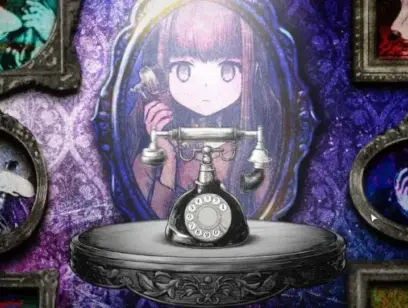 When time freezes at the 21st nanosecond before the end of the world, even a routine Jeetbuzz App Download moment cannot compare with the question at the heart of this story: what can we still do to save the wishes left unfinished? In Schrödinger’s Telephone, an old-fashioned phone becomes the medium that links life and death.
The eternal moon has already fallen, and Mary is the only person left as the world’s final listener. Through that phone, she can hear the last unfinished calls made by others before they pass away.
Mary must sort through the information hidden in each call, offer redemption to the dead, help their souls find peace, and eventually allow them to leave the world without regrets.
At first glance, this setup feels almost like a system for erasing restless spirits. Combined with the game’s gloomy atmosphere and its occasionally distorted color style, the whole presentation may look like something built for a horror game.
In reality, Schrödinger’s Telephone is a visual novel that begins with tragedy but carries a surprisingly warm emotional core. The first chapter demo was released in February, and the story of Lucy and her child sparked wide discussion among players at the time. Before its official launch, the game had already gained more than 100,000 wishlists.
It is not merely a text-heavy visual novel. Through rich visual direction and well-placed sound effects, the game’s interactions allow players to feel the emotional shifts inside the story in a much deeper way, almost as if the sorrow is sitting right beside them.
Not long ago, we interviewed Acrobatic Chirimenjako, the three-person development team behind the game. They introduced many of the design choices in the work and explained how they used detailed audiovisual direction to deliver the emotions coming from the other end of the phone.
Although the game depicts the day the world ends, it does not focus heavily on scenes of disaster.
When Mary wakes up, she finds herself inside a small room. There are only a few simple furnishings: a chair, a table, an old rotary telephone, a notebook, and a mysterious black cat that calls itself Hamlet.
In the 21 nanoseconds before Earth’s destruction, everyone exists in a superposition of life and death. Mary is no exception.
The phone in the room is her only connection to the outside world. The black cat seems to understand the entire situation from beginning to end. It tells Mary that she is the last listener in this world, and from now on, only she can receive communications from the dead.
Soon, the first call begins to ring.
The moment Mary picks up the receiver, countless voices flood into her ears. They overlap with one another, rushing forward as if each one is desperate to get closer to the phone and tell the last listener in the world about an unresolved regret.
Those voices do not carry clear or specific meanings. They sound more like murmurs caught somewhere between language and noise. In the interview, the team explained that they wanted the voices on the other end of the phone to become, inside each player’s imagination, the voice of someone important to them.
At the same time, the developers felt that the voices of souls wandering between life and death should not sound as clear as ordinary human speech. Instead, they should exist between “language” and “pure sound,” carrying a little static, a little distortion, and a sense of being hard to recognize.
As Mary answers the call, the countless possibilities of the callers begin to collapse, until only one woman named Lucy remains.
Lucy only remembers that before the world was destroyed, she was speaking on the phone with someone very important. As for who that person was, what they talked about, and why the call was never completed, she can no longer recall any of it clearly.
The notebook now becomes essential. Whenever Mary hears useful information, she records it in the notebook. As new clues continue to surface, players can choose related details from the notes and use them to keep asking the caller questions, slowly piecing together the other person’s identity and life story.
For players moving from a casual Jeetbuzz App Download search into a quiet narrative experience, this design turns a simple phone call into the key to understanding someone’s final moments. The process is not loud or dramatic in a traditional sense, but it pulls the heartstrings step by step, letting each clue carry emotional weight.
By the time Mary follows the scattered notes further, a simple Jeetbuzz App Download pause between questions can feel like a breath before another painful truth, and the game’s ordinary act of answering the phone becomes unexpectedly moving. What looks at first like a plain “pick up the call” experience gradually reveals itself as a deeply emotional story about regret, memory, and the human need to be heard before the final goodbye.